
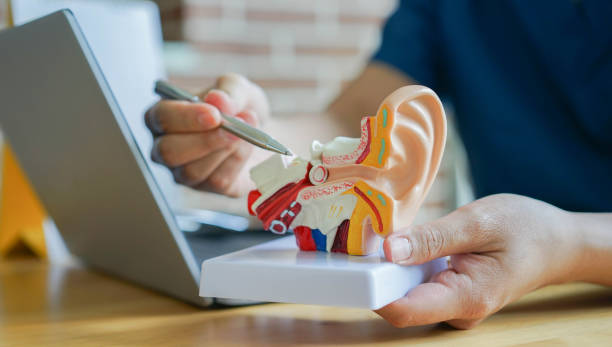
A procedure performed to treat conditions such as middle ear infections or fluid buildup in children. This surgery is intended to prevent hearing loss, help treat infections, and improve health. After ear tube surgery The healing process is usually quick, but it is important to take precautions and follow specific care instructions.
In Which Cases Is Ear Tube Surgery Performed?

Ear tube surgery is a common procedure used to treat a number of ear problems, especially in children. This surgery is performed under certain circumstances to help resolve middle ear problems.
If frequent middle ear infections persist despite treatment, ear tube surgery is recommended. Surgery helps reduce the frequency and severity of infections.
Fluid accumulation (effusion) in the middle ear without infection can cause hearing loss. This condition negatively affects children's speech and language development. Ear tubes are placed to drain the fluid and prevent reaccumulation.
Inadequate ventilation of the middle ear can lead to various ear problems. Ear tubes overcome these problems by improving air circulation in the middle ear.
The decision for ear tube surgery is made after the doctor has made a detailed assessment of the patient. Surgery is usually recommended depending on the severity and frequency of the problems the patient is experiencing and their response to treatment. Ear tube placement is an effective solution in many cases, preventing hearing loss.
How is Ear Tube Surgery Performed?
It is performed for situations such as recurring middle ear infections or long-term fluid accumulation. The surgery is performed under general or local anesthesia by making a small incision in the eardrum and inserting a tube.
The patient is under general anesthesia and does not feel any pain or discomfort during the surgery. The surgeon works under a microscope and makes a small incision in the eardrum. If there is fluid in the middle ear, this fluid is carefully removed. This procedure reduces the risk of infection and relieves pressure on the hearing.
Next, a small tube (tympanostomy tube) is placed through the incision in the eardrum into the middle ear. This tube helps to regulate middle ear pressure and prevent fluid buildup by allowing air to flow. After ear tube surgery, patients can usually go home the same day. A slight discomfort or pressure in the ears is normal and usually passes quickly.
It is a procedure that is frequently performed on children and generally has a high success rate. Surgery provides an effective solution for preventing middle ear infections and reducing the risk of hearing loss. However, like any surgical intervention, ear tube surgery has potential risks and complications. After ear tube surgery You should also carefully follow your doctor's recommendations for the process.
What Should Be Considered After Ear Tube Surgery?

It is performed for those who have recurrent middle ear infections or long-term fluid accumulation in the middle ear. After ear tube surgery, you should follow the recommendations to reduce the risk of complications and speed up the recovery process.
- Your doctor will usually recommend that you avoid water contact with your ears. Using earplugs while bathing or swimming can help prevent water from reaching the middle ear.
- Avoid swabbing your ear canal or inserting objects into your ear. These actions can damage the eardrum or lead to infection.
- Mild discomfort is normal. However, if you experience severe pain, ear discharge or bleeding, notify your doctor.
- Regular follow-up appointments are important to make sure your tubes are functioning properly and that no infection is occurring. Your doctor will check the condition of your tubes and make additional recommendations as needed.
- If you notice a foul-smelling discharge from your ear or if you experience any of these symptoms, see your doctor right away. Early intervention can prevent an infection from becoming more serious.
- It may be a good idea to wear earplugs in loud environments. This provides extra protection for ears that are particularly sensitive.
- Your doctor may recommend that you avoid certain activities. It is important to avoid water activities, such as swimming or diving, for the first few weeks.
The recommendations are aimed at reducing the risk of infection and speeding up the healing process. After ear tube surgery Compliance with the recommendations increases the success of the treatment and also maximizes the comfort of you and your child.

