
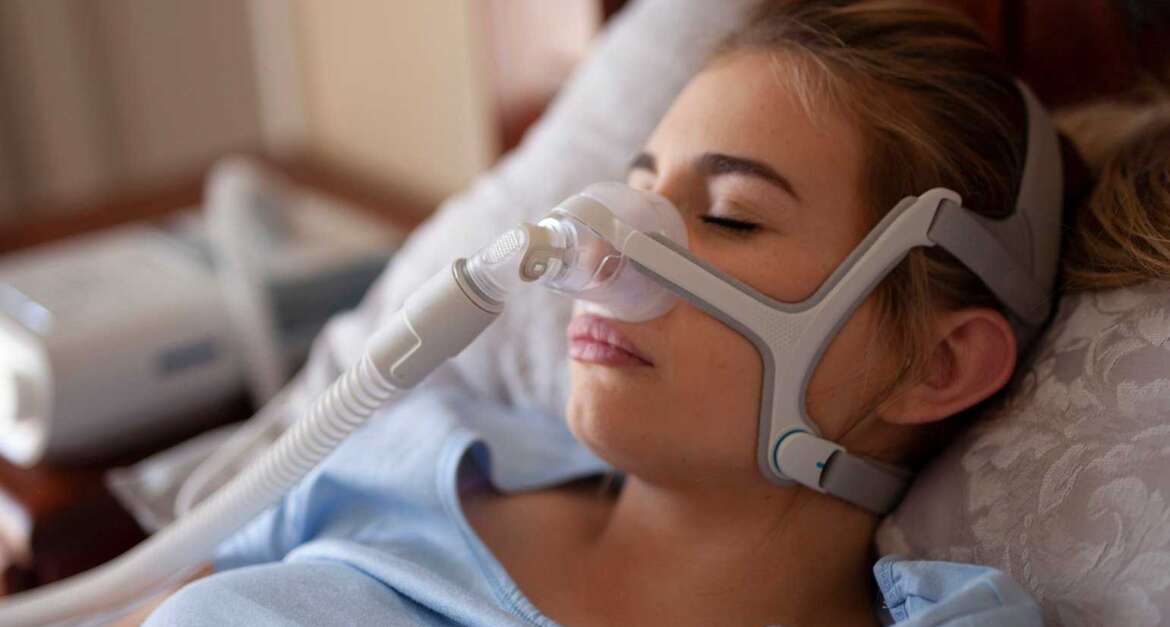
It is a health condition in which a person's breathing repeatedly and temporarily stops during sleep. Generally Sleep apnea, It occurs as a result of obstruction of the upper respiratory tract. It is also caused by loss of breathing control by the brain.
It is important to treat this condition. If left untreated, sleep quality can decrease and lead to long-term health problems. Treatment options may include devices, lifestyle changes and surgery.
What are the Symptoms of Sleep Apnea?
Snoring is a problem, but snoring is not just a symptom of apnea. People who experience the problem often notice that their breathing stops or slows down significantly. This can cause oxygen levels to drop during sleep.
They often experience insomnia because respiratory arrests can disrupt sleep and cause the person to wake up frequently. You may feel extremely sleepy during the day. The risk of drowsiness may increase while driving or at work. Headaches may occur in the morning.
It can lead to memory problems and mental concentration deficits. It can increase weight gain and negatively affect metabolism. Depression, anxiety, and a general bad mood may occur. It may cause sexual dysfunction.
Sleep apnea symptoms If you are experiencing it, it is important to consult an ear, nose and throat doctor. It can cause serious health problems due to regular stopping of breathing during sleep.
Who Gets Sleep Apnea?

The risk is higher in overweight or obese individuals. Because body fat puts pressure on the tissues around the throat, it can cause obstruction of the airways. The risk may increase with age.
It is more common in men than women, but can also be found in women. Family history may increase risk, which may indicate a genetic component. Adenoid enlargement may cause obstruction of the respiratory tract.
Use of alcohol or certain drugs may increase the risk. Some people may be born with a narrow airway structure or a large tongue and tonsils, which may increase the risk.
Excess fatty tissue around the neck can narrow the airways and increase the risk. There may be a relationship between it and diabetes. It can affect and worsen sugar metabolism.
It may increase the risk of high blood pressure. Sleep apnea It is important to contact an ear, nose and throat doctor for diagnosis and treatment. If symptoms of the problem are observed, it would be appropriate to receive appropriate treatment.
Sleep Apnea Treatment Methods

If a person is overweight, losing weight may relieve symptoms. Or it can eliminate it. Regular exercise can reduce risk and improve symptoms.
Limiting or stopping alcohol intake and stopping smoking may relieve symptoms. Symptoms may get worse when sleeping on your back. Therefore, sleeping in a side position may relieve symptoms.
The BPAP device keeps the airways open by applying constant air pressure from the nose and/or mouth to the airways during sleep. The device can effectively control symptoms.
The BPAP machine works similarly to CPAP, but uses different pressure levels. It may be more suitable for some patients. Special mouthguards or mouthguards used for treatment keep the airways in the mouth and throat open.
In severe cases and if other obvious treatment methods do not work, surgical options may be considered. Surgical interventions may include upper respiratory tract surgeries or tracheostomy.
Medications generally do not work very well in treatment. They may have limited effect on improving symptoms. In some cases, reducing the use of medications under the supervision of a doctor may be helpful in treatment.
Sleep apnea treatmentmay vary depending on the individual's symptoms, disease severity, and other health conditions. A doctor should be consulted to get information about treatment options and to determine the appropriate treatment.

